Woo Wai Leong is a Singaporean chef and the first winner of MasterChef Asia, which he won in 2015 after leaving a career in law. Rather than cash in on his fame straight away, he spent almost three years cooking at pop-ups and events before opening Restaurant Ibid on North Canal Road in 2018.
Ibid, from the Latin for from the same source, serves what Woo calls Nanyang-style contemporary Chinese cuisine, built on the flavours he grew up with and modern Western technique. The restaurant has been recognised with a Michelin Plate.
TL;DR
- Singaporean chef, born 1988
- Trained in law before turning to cooking
- Won the inaugural MasterChef Asia in 2015
- Opened Restaurant Ibid on North Canal Road in 2018
- Cooks Nanyang-style contemporary Chinese food
Woo Wai Leong key facts
| Born | 1988 |
| Nationality | Singaporean |
| Previous career | Law |
| Television | Winner, MasterChef Asia (2015) |
| Restaurant | Restaurant Ibid, 18 North Canal Road |
| Recognition | Michelin Plate |
| Style | Nanyang-style contemporary Chinese |
Career timeline
- 1988 Born in Singapore
- Before 2015 Works in law
- 2015 Wins the first season of MasterChef Asia
- 2015 to 2018 Cooks at pop-ups and events while developing dishes such as his black garlic short rib
- 2018 Opens Restaurant Ibid on North Canal Road in May
- 2020 Runs occasional concepts at Ibid, including a steakhouse menu
- 2023 Reflects on food and belonging in Singapore in a profile for the Ministry of Culture, Community and Youth
From law to MasterChef Asia
Woo trained in law and worked at a law firm before quitting to follow his dream of cooking for a living. He entered the first season of MasterChef Asia in 2015 and won, impressing the judges with a creative style that mixed East and West. He is largely self-taught.
Restaurant Ibid
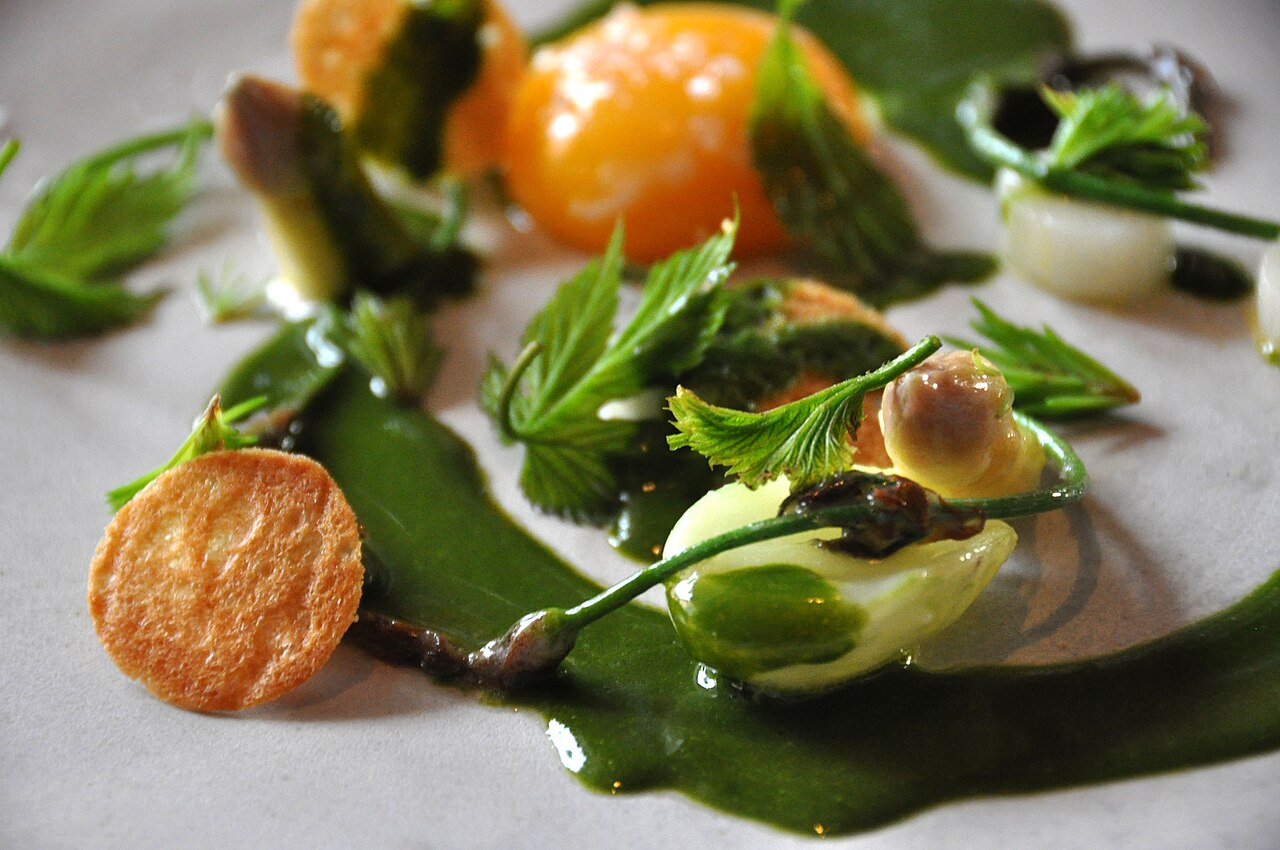
Investors approached him after his win, but Woo chose to wait. He spent nearly three years refining his cooking through pop-ups before opening Restaurant Ibid in 2018. The name means the same place or from the same source, reflecting his aim to explore his heritage through food. Dishes draw on memories of his mother’s KL-style Hokkien mee and Sarawak laksa, and on house-made creations such as tofu butter.
Woo has said he wants people to visit Ibid for its own sake rather than as the MasterChef restaurant. The restaurant has been recognised with a Michelin Plate.
Signature style
Woo calls his food Nanyang-style contemporary Chinese: familiar Asian and Chinese flavours reworked with modern Western techniques and unusual fermented and pickled ingredients.
Woo in context
Woo Wai Leong is one of the chefs featured on Pickup Table 4, alongside Chui Lee Luk and Margarita Fores.
Follow Woo Wai Leong
Woo Wai Leong FAQ
Who is Woo Wai Leong?
A Singaporean chef, the first winner of MasterChef Asia and chef-owner of Restaurant Ibid.
When did Woo Wai Leong win MasterChef Asia?
In 2015, in the competition’s first season.
What is Restaurant Ibid?
Woo’s restaurant on North Canal Road in Singapore, opened in 2018, serving Nanyang-style contemporary Chinese food.
What does Ibid mean?
It comes from Latin and means from the same source or the same place.
What did Woo Wai Leong do before cooking?
He trained and worked in law.
Sources
- First look: Restaurant Ibid, Michelin Guide
- Feeding our culture: Woo Wai Leong, MCCY
- Restaurant Ibid review, Time Out Singapore
- Restaurant Ibid’s Woo Wai Leong pulls back the curtain, Robb Report Singapore
- Restaurant Ibid: MasterChef Asia winner opens first restaurant, Miss Tam Chiak
- Woo Wai Leong, Wiki.sg
